


Social

The Company prioritized the production of high-quality and safe products at every stage of the supply chain,
operating in compliance with relevant laws and international food quality and safety standards. In 2025, the Company received international certifications covering quality management systems, food safety, laboratories, raw material sustainability and international export requirements. This reflected the Company's Commitment to developing and producing high-quality, safe and nutritious products to build maximum consumer confidence and satisfaction as well as delivering value for a better quality of life under a standardized and sustainable production process control system, including was committed to building customer satisfaction and trust through the production and provision of high-quality, standardized and safe products and services. This was based on the principles of honesty, fairness, attentiveness and responsibility towards all Stakeholders, guided by professional ethics, international standards and relevant laws.


Responsible packaging use
The Company was committed to using packaging responsibly while developing sustainable and safe products for Consumers. Packaging and product labels must comply with relevant legal requirements and display accurate, clear and sufficient information to ensure safe handling, display, storage and preparation of products throughout the food supply chain, including during consumption. The Company had verification processes in place to confirm the accuracy of label information such as ingredient lists, allergens and nutritional information to be consistent with the product formula.
Respecting and protecting human rights
The Company conducted its business with respect for the dignity of its Employees and all Stakeholders and was committed to promoting and protecting human rights in its business operations and prepared to comply with regulations and policies related to potential future human rights issues in accordance with the Universal Declaration of Human Rights (UDHR), the United Nations Guiding Principles on Business and Human Rights (UNGPs), the International Labour Organization (ILO) Basic Rights at Work as well as relevant labor regulations and laws in each country where the Company operated to ensure that the Company's Business Operations were free from human rights violations based on respect for values and equality.
The Company conducted comprehensive Human Rights Due Diligence (HRDD) to identify, assess and determined preventive and mitigating measures against human rights risks. This covered the Company's Business Activities including Stakeholders in the business value chain such as Employees, Business Partners, Business Associates, communities and society as well as all relevant vulnerable groups, through consultation with Relevant Stakeholders to ensure that the Company's Business Operations did not impact or cause human rights violations.

Human Rights Policy and Guidelines
Performance Results

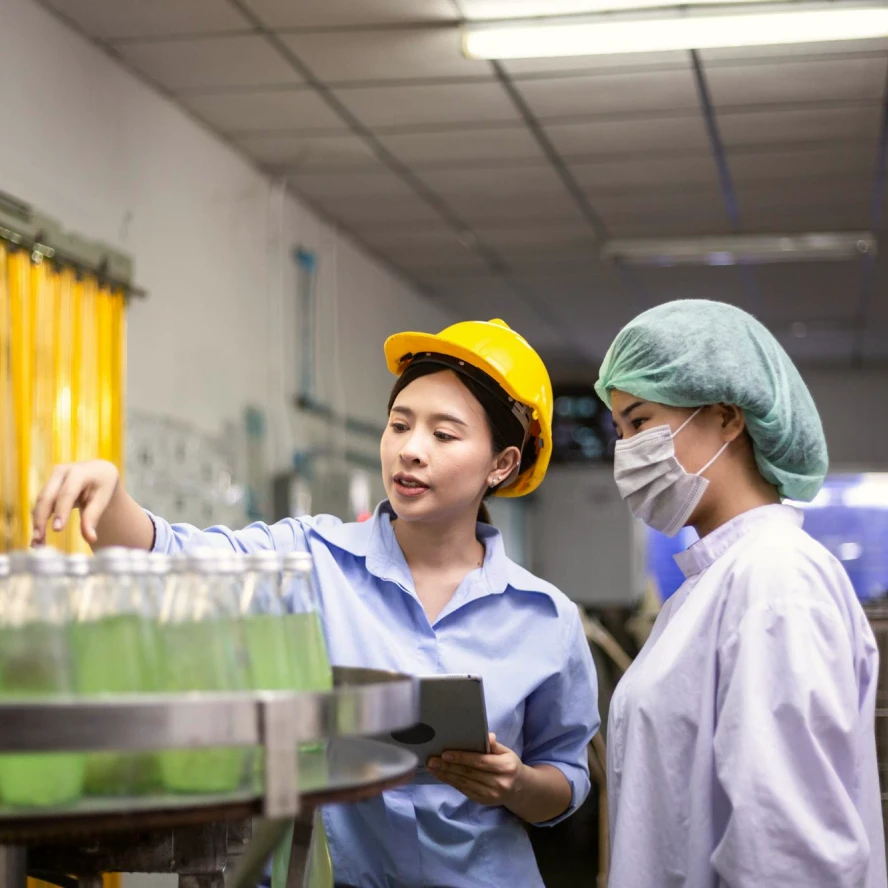
Occupational health and safety
The Company was committed to strictly adhering to all regulations and laws regarding occupational safety, health and the working environment. We were also committed to instilling a comprehensive safety awareness in our Employees, Business Partners and all Stakeholders to ensure a free environment free from threats, hazards and risks including accidents and occupational diseases as well as off-site safety concerns that could lead to death or disability. Our goal was to foster a healthy physical and mental well-being, enabling Employees to live happily and healthily within society.
In addition to complying with occupational safety, health and environmental laws, the Company was also committed to operating within the framework of the World Health Organization (WHO) and the International Labor Organization (ILO) as followed:
- Promotion and Maintenance: where the ultimate goal of Employee well-being, both physically and mentally and to foster social stability, was to establish measures to care for Employees and promote their health, restoring them to the same level of health they enjoyed before starting work.
- Prevention: Preventing the deterioration or abnormality of Employees' Health due to the working environment including preventing accidents and occupational diseases to avoid exposing employees to various risk factors.
- Protection: Preventing employees from working in hazardous conditions that could cause illness or accidents. When a safe working environment cannot be provided, safety equipment must be found to protect employees from such hazards.
- Placement: Assigning Employees tasks that were suitable for their physical and mental abilities. Some tasks could not be performed by everyone, so the right person for the job must be selected. For example, people with respiratory problems should not work in dusty environments.
- Adaptation: Matching the job to the person and the person to the working environment, considering various factors such as the Employee's Physiology and taking into account suitable workplace conditions such as height, reach, arm position, chair, desk and a working environment suitable for the Employee.
Safety, Occupational Health and Working Environment Policy
Social and community responsibility
The Company was committed to building trust and positive relationships with local communities through activities that truly engaged the community. The Company believed that social development coupled with business empowerment was a fundamental basis for sustainable growth at both the organizational and community levels. Therefore, the company's support activities focused on strengthening local communities while fostering collaboration between the Company and the community to create shared value sustainably.

Corporate Social Responsibility (CSR) Policy
In 2025, the Company underwent an audit according to the international ethical business practices standard SMETA or the Sedex Members Ethical Trade Audit (4 Pillars)
in which the SMETA was an organization and management system concerning labor protection and occupational safety, comprised of business members worldwide, with a shared agreement on the development of ethical conduct within companies or groups of suppliers where the companies were eligible to participate must treat Employees or Workers ethically throughout the system, not just within their own company. However, this also included the Company's Business Partners who must have ethical treatment towards their Workers.
